7 Low-Impact Fitness Workouts for Full Body Strength
Maintaining full-body strength is essential for everyday function, mobility, and overall health. But what if you’re looking for workouts that are effective yet gentle on your joints? Low-impact fitness routines are the perfect solution. They build muscle, enhance endurance, and promote flexibility—all while minimizing strain. Whether you’re recovering from an injury, new to exercising, or just prefer kinder workouts, these 7 low-impact workouts will help you strengthen your entire body safely and effectively.
1. Pilates for Core Strength and Flexibility
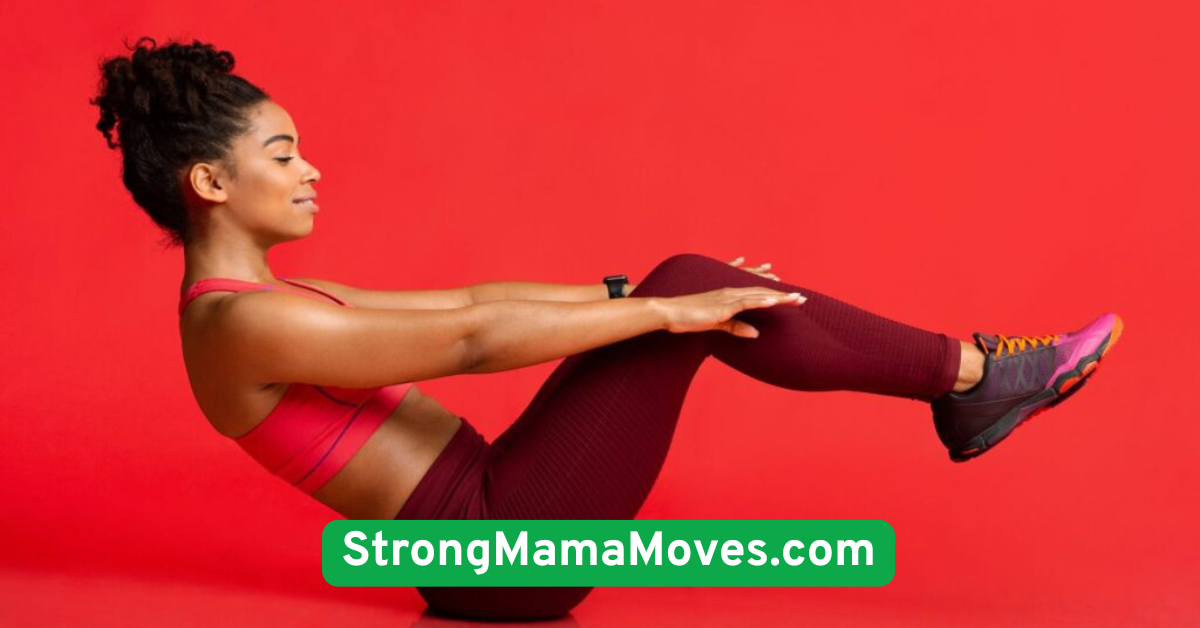
Pilates is a fantastic low-impact workout that focuses on strengthening the core muscles—the foundation for balance, posture, and overall strength. It emphasizes controlled movements, breathing techniques, and flexibility, making it ideal for those who want to tone muscles without harsh impact.The beauty of Pilates lies in its adaptability. Whether you practice on a mat or use specialized equipment like the reformer, the exercises target deep muscles often neglected in traditional workouts.
Core strength is especially important because it stabilizes the body during all types of movement, reducing injury risk.In addition to core benefits, Pilates improves flexibility and joint mobility. The slow, deliberate movements stretch muscles gently, which can relieve stiffness and increase range of motion. Many beginners find Pilates to be both a challenging and rewarding way to build strength while listening to their body’s needs.
2. Swimming for Full-Body Resistance Training
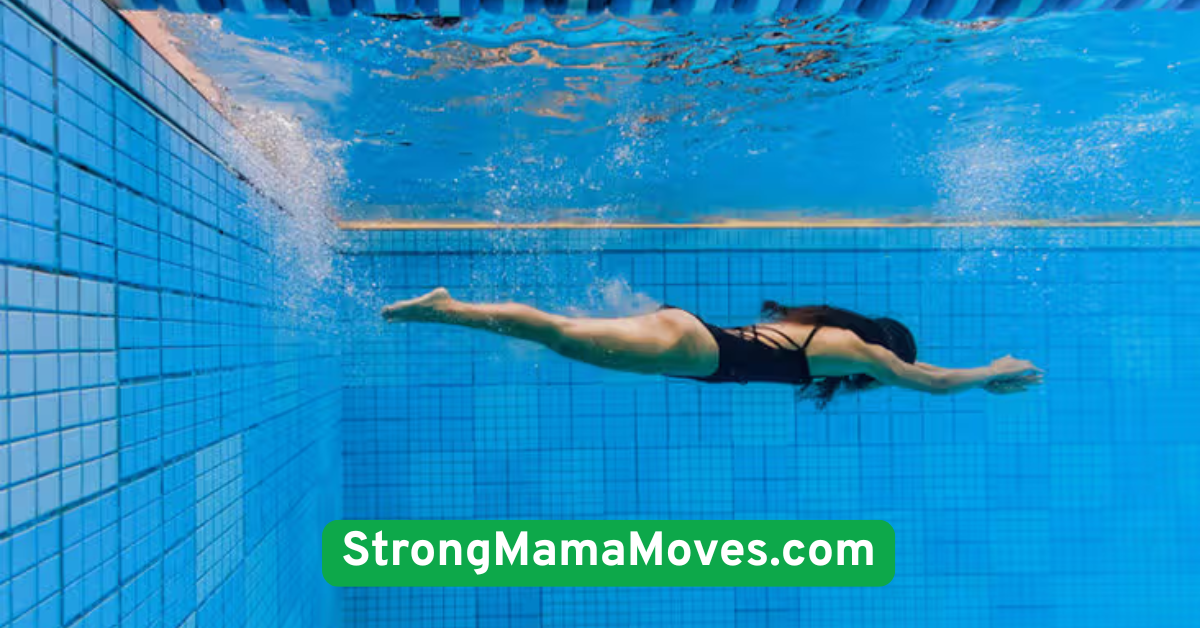
Swimming is one of the best low-impact exercises you can do. The water supports your body, drastically reducing stress on joints and bones. Yet, water provides natural resistance that makes your muscles work harder, promoting strength and endurance.When swimming, nearly every muscle group is engaged. Your arms pull through water, legs kick, and your core stabilizes your body throughout.
This full-body workout builds muscle tone and cardiovascular health without the jarring effects of high-impact activities like running.Plus, swimming is incredibly accessible. Whether in a pool or open water, it suits all fitness levels—from beginners to seasoned athletes. Regular swimming sessions can improve muscle definition, boost stamina, and support joint health simultaneously. And after a swim, you often feel refreshed and relaxed—a wonderful bonus!
3. Resistance Band Exercises for Muscle Toning
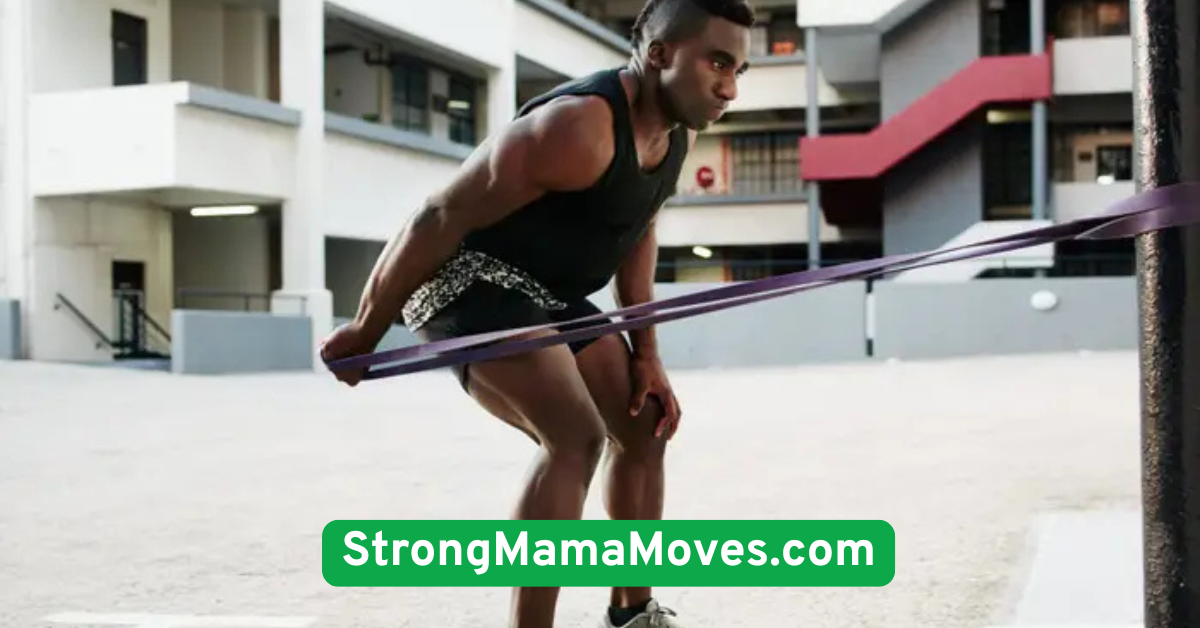
Resistance bands are versatile, portable tools that offer an excellent way to build strength without lifting heavy weights. These bands create tension during movements, which helps tone muscles safely while maintaining low joint impact.With resistance bands, you can perform a wide range of exercises targeting every major muscle group—from bicep curls and shoulder presses to leg lifts and glute bridges.
The tension level can be adjusted by choosing bands of different thicknesses or by modifying your grip, making them perfect for all fitness stages.Moreover, resistance band workouts require minimal space and equipment, making them budget-friendly and convenient for home workouts. They also improve muscle endurance and can be seamlessly integrated into circuit training or rehabilitation routines, helping build functional strength gradually.
4. Bodyweight Exercises for Strength and Endurance
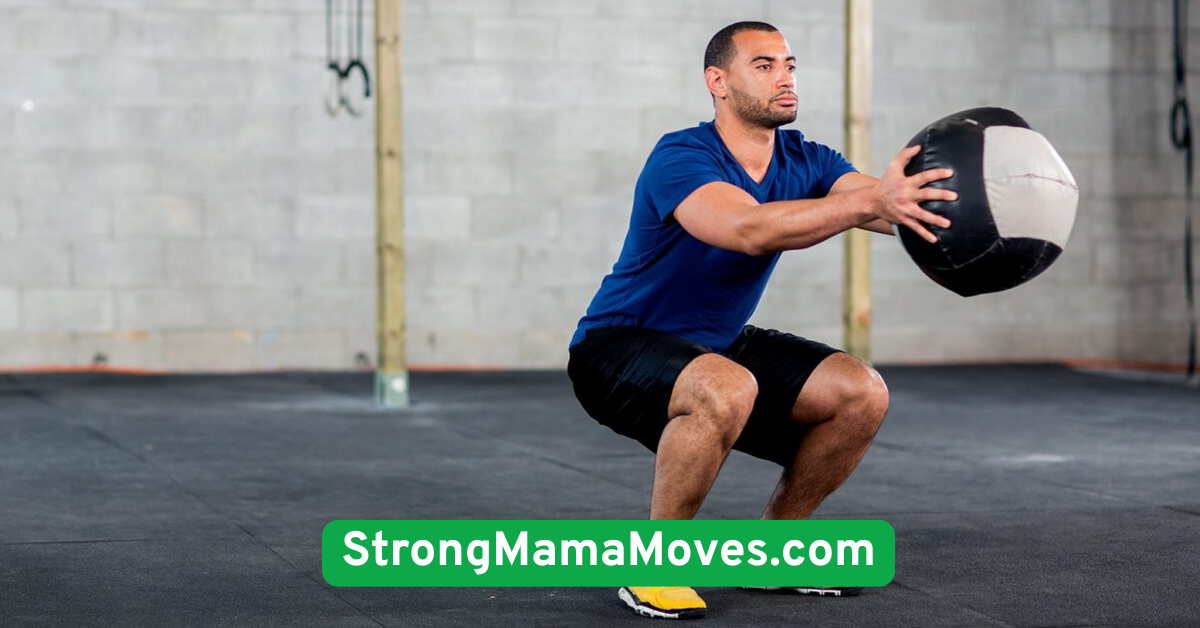
Bodyweight exercises are the ultimate low-impact fitness routine since you use only your body as resistance. They improve strength, flexibility, and endurance with no need for gym equipment, and you can perform them anywhere.Classic moves like squats, lunges, modified push-ups, and planks are gentle on joints when done with proper form. They engage multiple muscle groups simultaneously, helping to develop balanced full-body strength.
For example, squats strengthen the quads, hamstrings, glutes, and core, while push-ups work the chest, shoulders, and arms.Another advantage is the ease of modification. If a standard push-up feels too intense, dropping to your knees or performing wall push-ups reduces impact. This adaptability encourages consistency and gradual progression, reducing injury risk and building confidence.
5. Yoga for Strength, Balance, and Mobility
Yoga is much more than just stretching; it is a holistic workout that combines strength, balance, and mindfulness. Many yoga poses engage multiple muscle groups, improving muscle tone and joint stability while maintaining low impact on the body.Poses like Warrior II, Plank, and Chair pose build leg, arm, and core strength. Meanwhile, yoga’s emphasis on breath control and body awareness helps improve balance and coordination—key components of functional fitness.
Practicing yoga regularly enhances mobility, reduces stiffness, and can alleviate chronic pain from tight muscles or joints.What sets yoga apart is its mental health benefits. The calming effects of breathwork and meditation reduce stress, which supports overall wellness and recovery from physical exertion. For many, yoga is a sustainable, enjoyable path to full-body strength and flexibility.
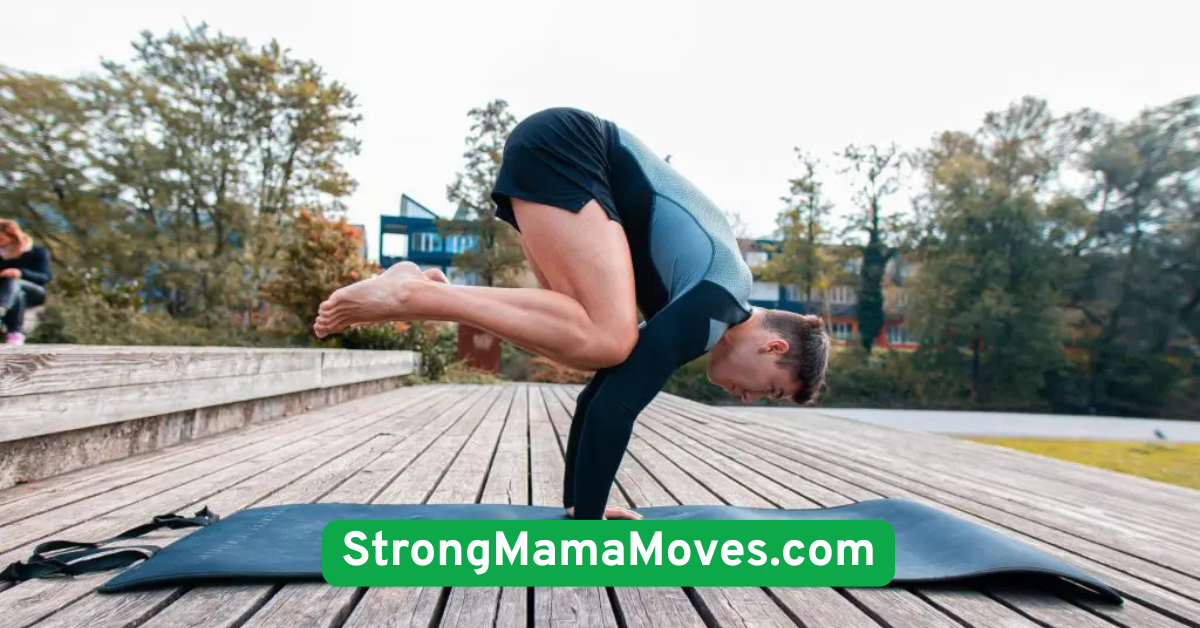
6. Walking Lunges for Lower Body Strength
Walking lunges are a fantastic low-impact exercise that specifically targets the lower body, including the glutes, quadriceps, and hamstrings. Unlike running or jumping, walking lunges place less strain on the knees while still challenging your muscles effectively.To perform walking lunges safely, focus on controlled movements. Step forward with one leg, lowering your hips until both knees are bent at approximately 90 degrees, then push off with your front foot to step forward with the other leg.
This dynamic motion improves strength, balance, and coordination.Adding walking lunges to your routine can also boost your metabolism and promote fat burning. Plus, they can be done anywhere, indoors or outdoors, requiring no equipment—making them a practical, budget-friendly addition to any fitness plan.

7. Low-Impact Circuit Training for Overall Fitness
Circuit training usually implies fast-paced, high-intensity workouts, but it can be adapted to low-impact versions that focus on full-body strength and endurance. A low-impact circuit combines strength and cardio moves performed in sequence with minimal rest.For example, a sample circuit might include resistance band rows, bodyweight squats, plank holds, and low-impact step touches.
This combination raises your heart rate without harsh impact on joints, offering a balanced, effective workout.The main advantage of circuit training is time efficiency. You can get a comprehensive strength and cardio session in just 20-30 minutes. It’s also versatile—ideal for beginners or those with limited time, and it can be modified to increase or decrease intensity based on your needs.
Conclusion
Low-impact workouts offer a powerful way to build full-body strength without the risks associated with high-impact exercises. Whether you choose Pilates, swimming, resistance bands, or yoga, these gentle fitness routines help you tone muscles, improve mobility, and boost endurance sustainably. The best part? They’re accessible to everyone, from fitness newbies to those managing injuries.
Incorporate a variety of these 7 low-impact workouts into your routine to keep things fresh and effective. Start slowly, listen to your body, and enjoy the process of becoming stronger and healthier every day. Remember, fitness is a lifelong journey—and with the right workouts, it can also be a kind one.


