30 Low-Impact Fitness Workouts for Full Body Strength
Low-impact fitness workouts are an ideal way to build full-body strength without stressing your joints. Whether you’re recovering from injury, managing chronic pain, or just prefer a gentler approach to fitness, these exercises are effective and sustainable. According to the American Council on Exercise, low-impact routines can improve muscle tone, flexibility, and cardiovascular health just as much as high-intensity options.
In today’s fast-paced world, not everyone has the luxury of time or the physical ability for high-impact workouts. That’s where low-impact exercises shine. They are adaptable, joint-friendly, and perfect for all fitness levels—especially beginners, postpartum moms, and seniors. This list of 30 low-impact workouts will help you strengthen every part of your body from the comfort of your home, with minimal equipment. Let’s dive into fitness that works with your body, not against it!
1. Standing March in Place
Standing marches are deceptively simple but powerfully effective. This workout mimics the motion of walking, raising each knee to hip level while swinging the opposite arm. It gently warms up your body, boosts circulation, and engages your core—all without needing a mat or special equipment.What makes this ideal for all fitness levels is the ability to control the pace. Beginners can march slowly to ease into movement, while those with more energy can increase speed and raise their knees higher
This makes it adaptable, and a great option to squeeze in during short breaks.Beyond its cardio perks, marching in place supports balance and coordination. Especially for those easing back into exercise or managing joint discomfort, it’s a low-impact way to stay consistent. Even five minutes a few times a day adds up, keeping your heart pumping and muscles activated.

2. Wall Push-Ups
Wall push-ups are an excellent strength-building alternative to traditional push-ups, especially for beginners or anyone managing joint stress. All you need is a clear wall. Stand arm’s length away, place your palms flat against the wall, and slowly bend your elbows to bring your chest toward it.This move strengthens your chest, arms, and shoulders while engaging your core. The incline reduces pressure on your wrists and lower back, making it accessible. Want to make it more challenging? Step your feet further away from the wall.
The best part is you can do this anywhere—your bedroom, kitchen, or office. Just a few reps daily can significantly improve upper body endurance. As you progress, you can transition to countertop push-ups or incline push-ups for increased intensity.

3. Seated Leg Lifts
Seated leg lifts are a fantastic way to engage your lower body while staying comfortably seated. Whether you’re working at your desk or watching TV, this workout strengthens your quads, hip flexors, and core without needing to stand up.Sit tall in a chair with your feet flat on the floor. Slowly lift one leg until it’s parallel to the ground, hold for a few seconds, and lower. Repeat on the other side. You’ll feel the burn in your thighs and abs if you focus on slow, controlled movements.
This is particularly helpful for those with balance issues or recovering from injury. It promotes good posture and keeps your muscles activated throughout sedentary parts of the day. Add ankle weights for a gentle challenge.

4. Step Touches
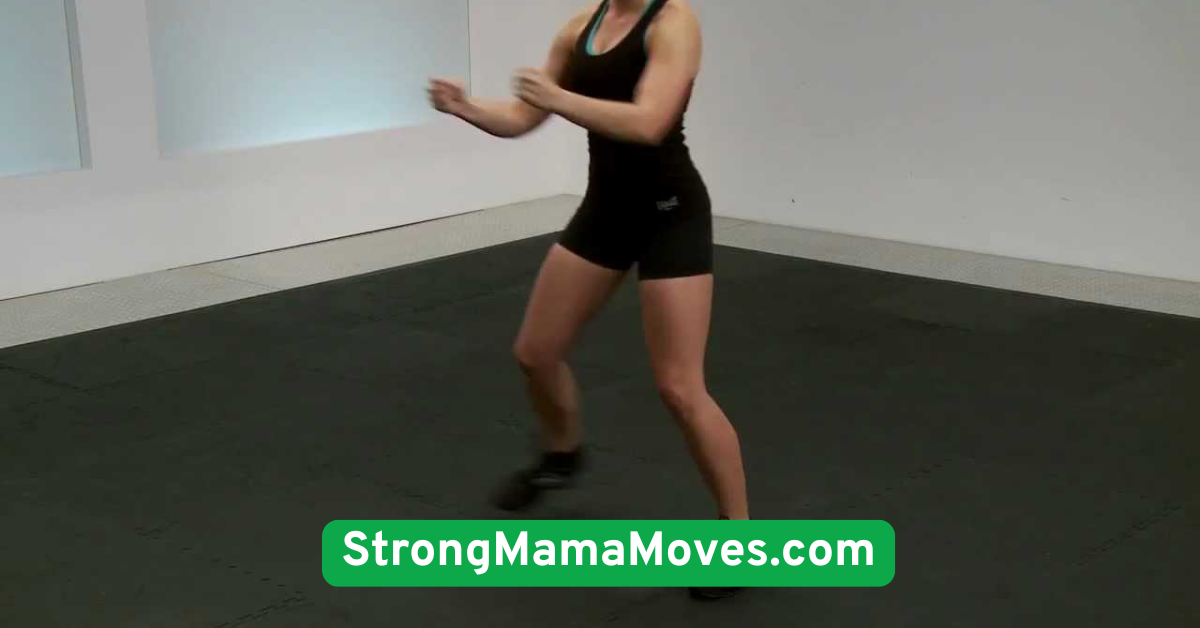
Step touches offer a fun, rhythmic way to get your blood flowing and muscles moving. Start by stepping to the right with your right foot, then bring your left foot to meet it. Repeat on the left. Add arm movements like clapping or reaching to boost intensity.This lateral movement strengthens your glutes, thighs, and hips. It’s particularly great for people looking to improve coordination and mobility in a low-stress way. Plus, you can tailor the tempo to your fitness level.
Incorporate it into your warm-up or use it as a standalone 5–10-minute cardio break. If you’re dancing along to music while doing it, even better! It’s a joyful way to energize yourself midday without leaving your living room.
5. Cat-Cow Stretch
The cat-cow stretch isn’t just relaxing—it helps build a stronger, more flexible spine. Starting on all fours, alternate between arching your back (cat) and dipping your belly while lifting your head (cow). It’s a staple in yoga for a reason.This gentle spinal movement improves mobility, reduces tension, and engages your core. If you sit for long periods, cat-cow offers a much-needed spinal reset. Breathe deeply to maximize the calming, stress-reducing benefits.
For added comfort, place a folded towel under your knees. Repeat for 1–2 minutes as part of a warm-up or cool-down. It’s a grounding movement that combines mindfulness with mobility, ideal for restoring balance and releasing back stiffness.

6. Glute Bridges
Glute bridges are one of the best low-impact workouts to target the posterior chain—your glutes, hamstrings, and lower back. Lie on your back with knees bent, feet flat, and lift your hips until your body forms a straight line from shoulders to knees.Hold the bridge for a few seconds, then lower down. This move strengthens the core and stabilizes the pelvis, which can reduce lower back pain and improve posture. It’s particularly beneficial for anyone who sits a lot.
As you build strength, increase reps or add a resistance band around your thighs. Glute bridges also boost circulation and activate dormant muscles, making them a smart move to include regularly, especially if your days are desk-bound.

7. Arm Circles
Arm circles are a simple but effective way to activate your shoulder joints and upper body muscles. Stretch your arms out to your sides and slowly rotate them forward, then backward. It’s a great dynamic warm-up or mini workout on its own.This exercise builds endurance in the deltoids and upper arms while promoting shoulder mobility. For added resistance, hold light dumbbells or water bottles. The key is small, controlled circles to avoid strain.
Do this while watching TV, taking a break from typing, or between chores. It’s easy to overlook the upper body in low-impact routines, but arm circles keep your shoulders fluid and ready for more intense movement when needed.
8. Standing Side Leg Raises
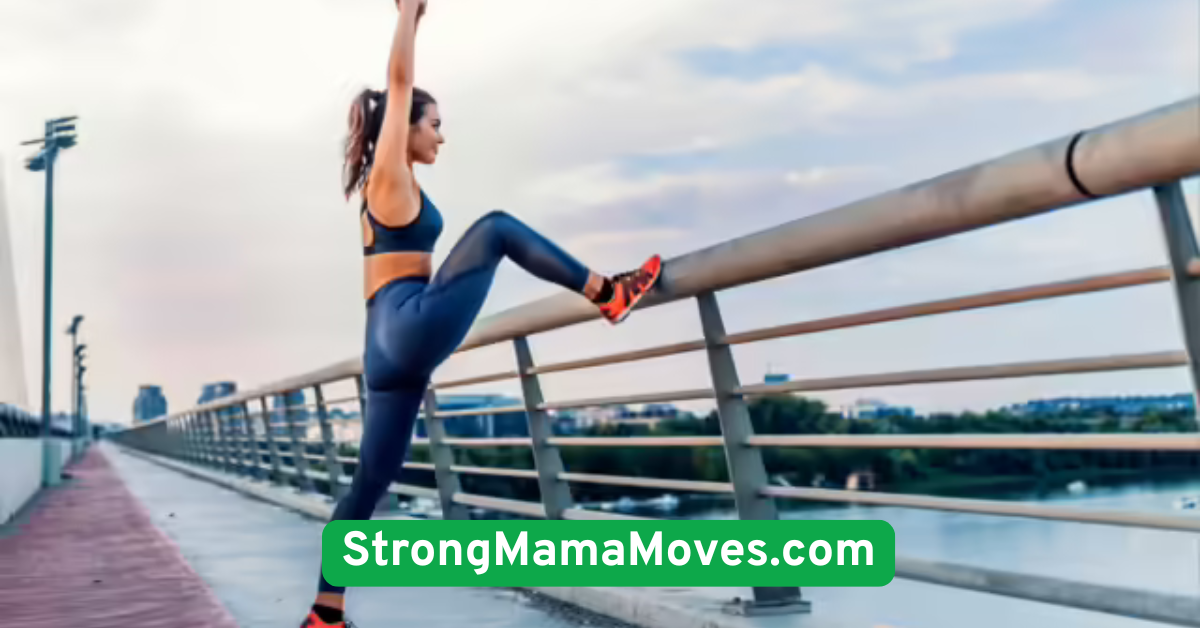
Standing side leg raises improve balance and strengthen your hips, thighs, and core. Simply stand tall, hold onto a chair or wall for support, and slowly lift one leg to the side. Keep your upper body stable and your movements controlled.This move is excellent for targeting the hip abductors, which support pelvic stability and posture. It’s also a sneaky way to challenge your core, especially when you try not to lean or sway.
For variety, try holding the leg up for a few seconds or adding a resistance band. It’s a great addition to any full-body routine and perfect for toning muscles that help with daily activities like walking or climbing stairs.
9. Standing Calf Raises
Calf raises are easy to perform but highly effective. Stand with feet hip-width apart, rise onto your toes, hold briefly, and lower back down. It strengthens the calf muscles, improves ankle stability, and supports better balance.You can do these anywhere—while brushing your teeth, doing dishes, or standing in line. For added intensity, try them on one foot at a time or hold light weights.
Calf strength is vital for mobility, especially as we age. This exercise promotes blood flow in the lower legs, reduces stiffness, and adds a quick energy boost when you’re feeling sluggish during long hours of sitting or standing.

10. Seated Arm Presses
Seated arm presses engage your upper body without requiring weights. Sit upright in a sturdy chair, press your palms together in front of your chest, and push firmly for a few seconds before releasing.This isometric movement activates the chest, shoulders, and arms while also drawing in the core. It’s ideal for busy schedules or limited mobility since it requires no special gear and can be done discretely.
Incorporate variations by pressing against resistance bands or using your own thighs as counter-pressure. It’s a subtle but effective way to keep upper body strength and circulation active throughout the day.

11. Low-Impact Step Aerobics
Step aerobics doesn’t have to be high-intensity to be effective. By using a small step platform and moving at a controlled pace, you can get your heart pumping and strengthen your lower body — especially the glutes, thighs, and calves. A simple routine of step-ups, side taps, and V-steps can be surprisingly effective.This low-impact variation reduces stress on your joints, making it perfect for people managing arthritis, knee pain, or recovering from injury. What’s more, it’s easy to do at home. Even a sturdy bottom stair can become your step platform.
Add some music and perform short 20-minute step routines to keep things fun. Over time, you’ll notice improved coordination, cardiovascular endurance, and leg strength without feeling worn out or at risk for injury.

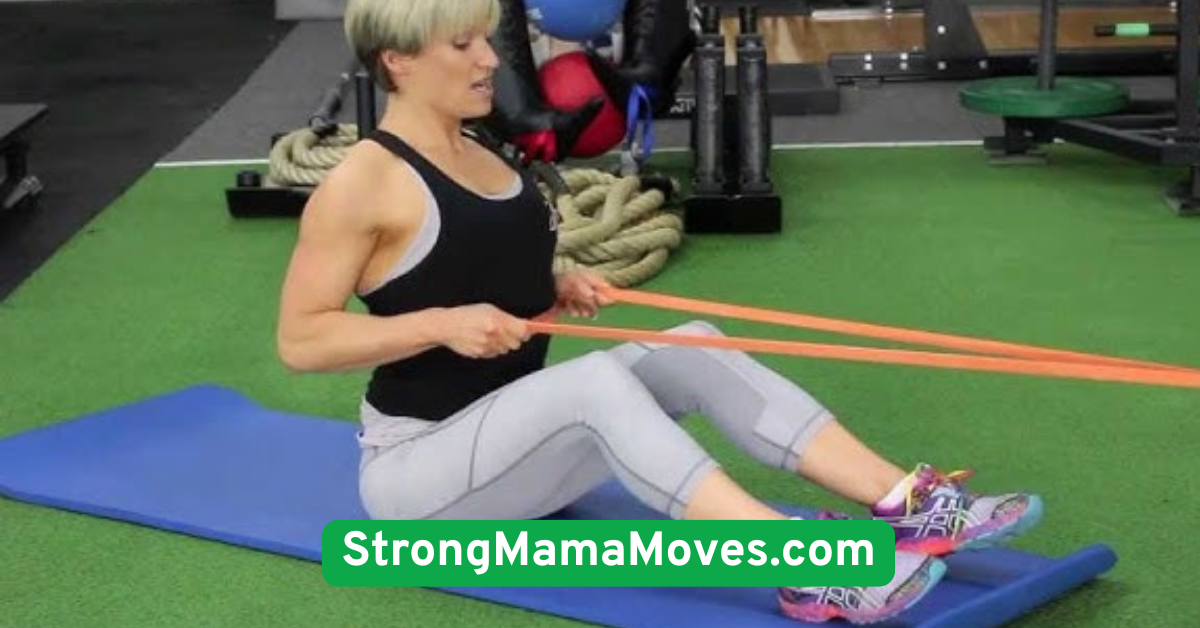
12. Seated Resistance Band Rows
Seated resistance band rows are fantastic for strengthening the upper back, shoulders, and arms. They’re also gentle on the joints, making them ideal for all fitness levels. Sit on the floor with legs extended, loop a resistance band around your feet, and mimic a rowing motion by pulling the band toward your body.This movement helps counteract the poor posture many of us develop from working at desks or spending too much time on our phones. It also builds strength for everyday pulling motions, like opening doors or lifting grocery bags.
Plus, resistance bands are inexpensive and portable, making them perfect for at-home workouts or for keeping up your routine while traveling.
13. Low-Impact Shadowboxing
Shadowboxing is an empowering, heart-pumping workout that doesn’t require any equipment. By throwing punches in the air, combined with simple footwork and light movement, you work the entire body — arms, core, back, and legs — all without any high-impact jolts.This workout improves coordination, endurance, and mental clarity. It’s also a great stress reliever! Keep your knees soft, core engaged, and practice punches like jabs, hooks, and uppercuts for a full-body burn.
You can start with short 3-minute rounds and rest in between, just like real boxers. Over time, build up to 15–20 minute sessions. No jumping required — just grit, rhythm, and attitude.

14. Low-Impact Stair Climbing
Stair climbing is one of the best ways to strengthen your lower body and boost your cardiovascular endurance. When done at a slow and steady pace, it becomes a low-impact workout that protects your knees and hips.Use the stairs at home, in a park, or at work. Step up slowly, hold onto a railing for balance if needed, and keep your movements controlled. This exercise targets your glutes, hamstrings, and calves.
Just 10–15 minutes a day can improve leg power and stamina. As a bonus, stair climbing supports healthy bone density, which is especially important as we age.

15. Standing Calf Raises
Standing calf raises may seem simple, but they’re incredibly effective for strengthening your calves, ankles, and improving balance. Stand tall, raise your heels slowly off the ground, and lower them with control.You can do this anywhere — while brushing your teeth, waiting for coffee to brew, or during a break at work. For added resistance, hold onto light dumbbells or water bottles.
This move helps build ankle stability and reduce the risk of falls. It’s also beneficial for runners, walkers, and anyone who stands a lot during the day.

16. Bird-Dog
Bird-dog is a gentle, core-stabilizing exercise that also improves balance and posture. Begin on all fours with your hands under your shoulders and knees under your hips. Extend one arm forward and the opposite leg back, then switch.The key is control — moving slowly while keeping your core engaged and back flat. This exercise strengthens the lower back, abs, and shoulders without straining your spine.It’s ideal for people recovering from injury or looking to improve core endurance safely. It’s often used in physical therapy and Pilates for its total-body benefits.

17. Isometric Wall Sit
The wall sit is a powerful isometric exercise that challenges your quads, glutes, and calves. Simply slide your back down a wall until your knees form a 90-degree angle, like sitting in an invisible chair. Hold the position for 20 to 60 seconds.Despite being low-impact, it builds tremendous endurance in the lower body. Plus, it doesn’t require any movement, so it’s perfect for those with joint sensitivity.You’ll feel the burn quickly — but in the best way. As you progress, try adding light hand weights for extra challenge.

18. Side-Lying Leg Lifts
Side-lying leg lifts sculpt your outer thighs, hips, and glutes — areas often neglected in traditional workouts. Lie on your side, keep your body straight, and slowly lift your top leg up and down without letting it drop.This exercise strengthens the stabilizing muscles around your hips and pelvis, which supports better walking, standing, and injury prevention.For added challenge, place a resistance loop band around your thighs. It’s a graceful yet powerful move that fits perfectly into any gentle fitness routine.

19. Floor Bridges
Also known as glute bridges, this move is essential for building lower back and glute strength. Lie on your back, knees bent, feet flat on the floor, and lift your hips while squeezing your glutes.Floor bridges reduce lower back pain, improve posture, and activate the posterior chain — a group of muscles essential for lifting and walking. This is a must-have in any low-impact program.Perform slowly for better activation, and hold the top position for a few seconds for extra intensity.

20. Modified Push-Ups (Incline or Wall)
Push-ups may seem intense, but modifying them by doing them on an incline or against a wall makes them incredibly accessible. These variations reduce the pressure on your wrists, shoulders, and core while still engaging the upper body and arms.Start with wall push-ups and progress to countertop or bench incline versions as you gain strength. Focus on maintaining straight alignment from head to heel.This version still builds chest, tricep, and shoulder strength, helping you with everyday pushing movements — from strollers to doors — all without strain.

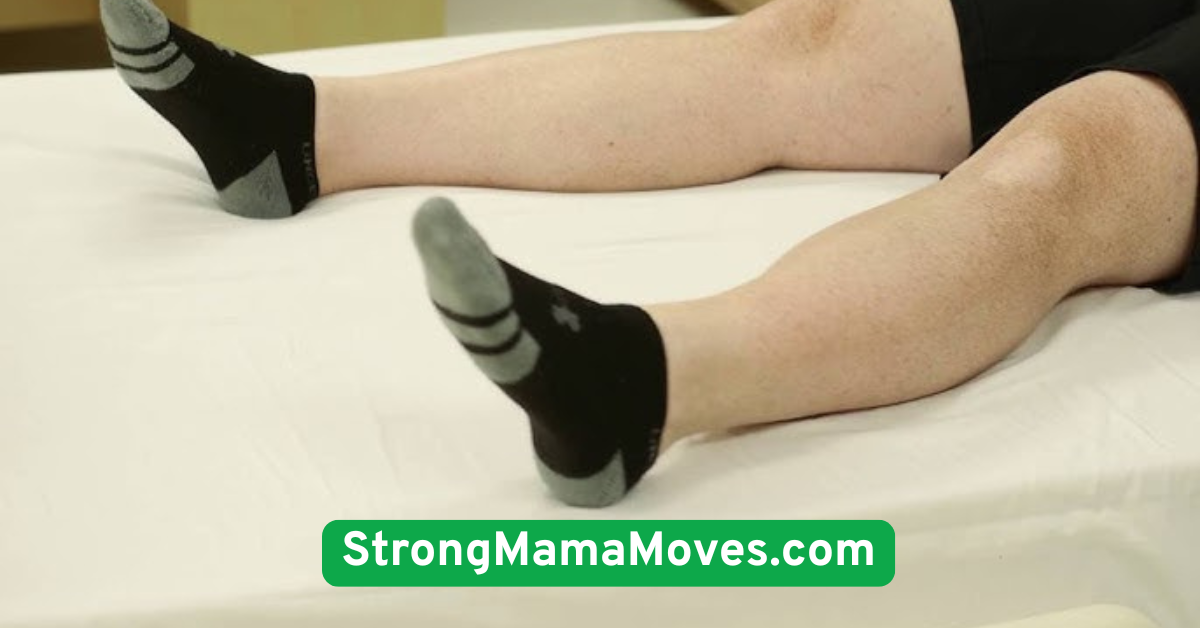
21. Leg Slides
Leg slides are subtle but effective. Lie on your back, knees bent, and slowly slide one heel away from the body, keeping it on the floor. Then slide it back.This seemingly simple movement builds core and hip control and is often used in physical therapy. It’s great for beginners, people recovering from injury, or anyone easing into fitness again.To intensify the movement, you can wear socks and perform it on a slick floor or use sliders.
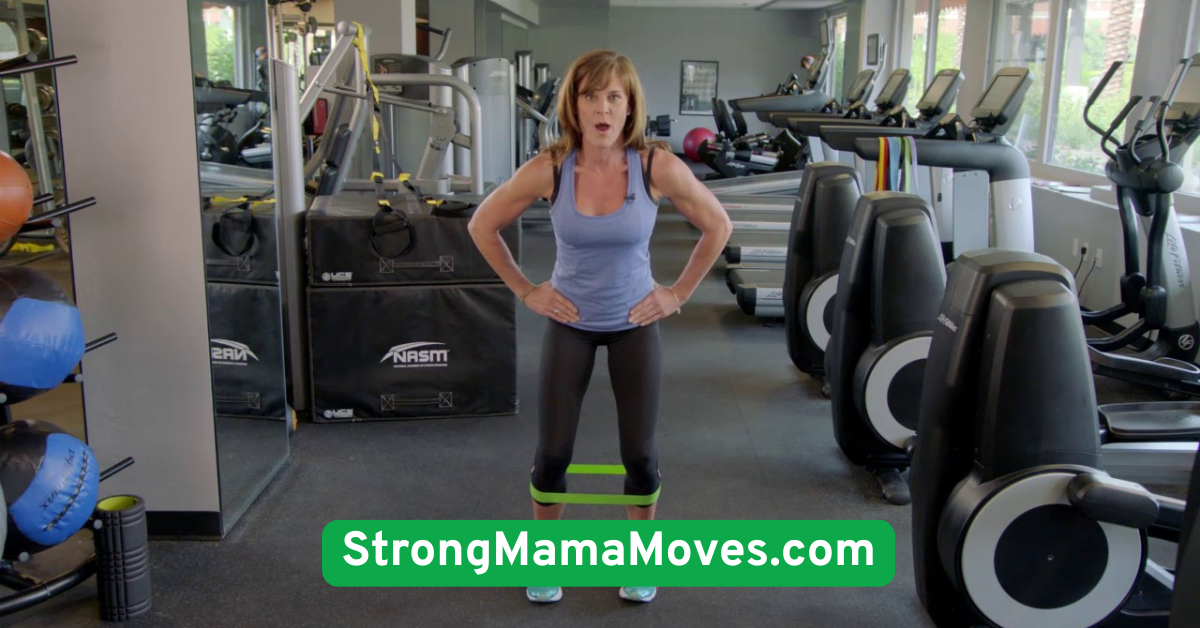
22. Side Step with Resistance Band
A resistance band just above the knees adds intensity to this lateral movement. Step side to side, keeping tension in the band and staying in a semi-squat position.This exercise targets your hip abductors, glutes, and outer thighs — crucial for joint stability and balance. It’s also helpful for strengthening muscles that support knee alignment.Side steps are perfect as a warm-up, cool-down, or as a main move in a low-impact lower-body circuit.
23. Standing March
Marching in place is a basic but effective way to get your heart rate up without any pounding on your joints. Stand tall and lift one knee at a time while pumping your arms gently.This cardio-lite movement improves circulation, warms up the body, and builds stamina. You can do it during TV commercials, while talking on the phone, or as part of a longer routine.It’s ideal for older adults or beginners looking to stay active without stress.
24. Seated Core Twists
Sit on a chair or bench, clasp your hands together, and rotate side to side to engage your obliques. This seated version of a Russian twist is safer and more accessible for those with limited mobility or balance concerns.Focus on small, controlled movements. You’ll build rotational strength in the core, which helps with daily activities like twisting, lifting, and stabilizing your body.

25. Towel Slides
Use a towel on a hardwood floor to perform smooth sliding lunges, side steps, or hamstring curls. These movements reduce impact on the joints and require controlled muscular effort.
Towel slides are a creative way to improve coordination and strength at home without equipment. They’re fun, affordable, and easy to incorporate into your routine.
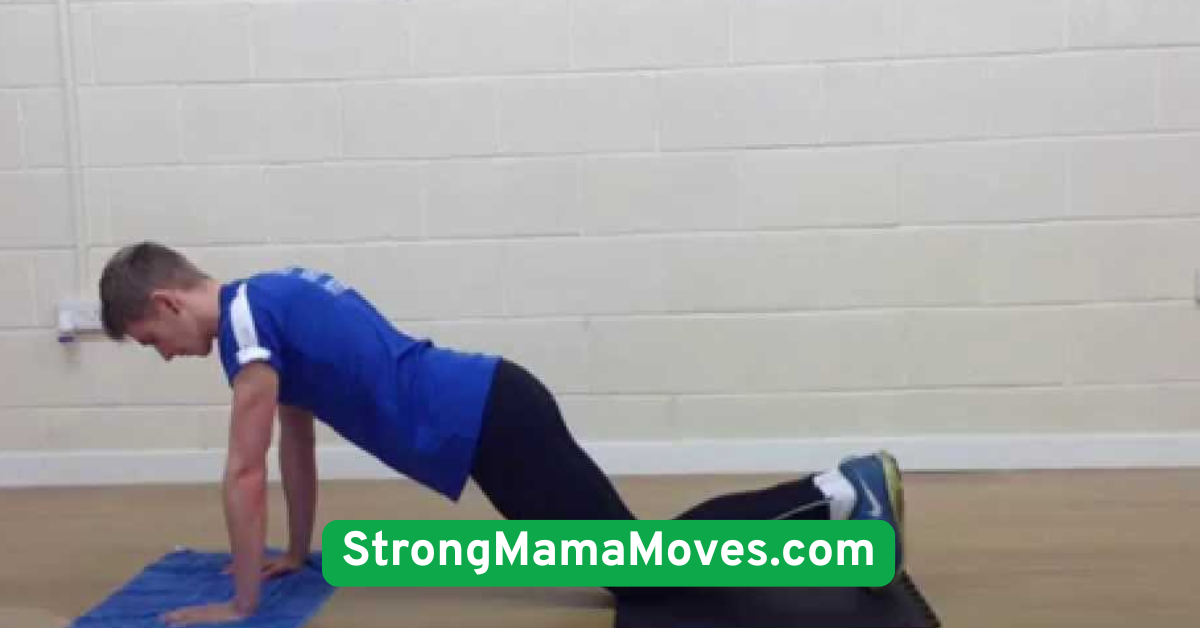
26. Seated Arm Circles
Sitting in a chair and doing arm circles — forward and backward — helps build shoulder strength and mobility. This is particularly useful for office workers or those with upper-body stiffness.It’s gentle, safe, and helps prevent shoulder impingement. Add light weights or water bottles for more resistance.

27. Wall Angels
Stand with your back against a wall, arms raised in a “goalpost” shape. Slowly move your arms up and down, keeping them pressed to the wall. This movement corrects posture and strengthens your upper back.Wall angels are often used in rehab and yoga for posture correction. They’re subtle but highly effective.
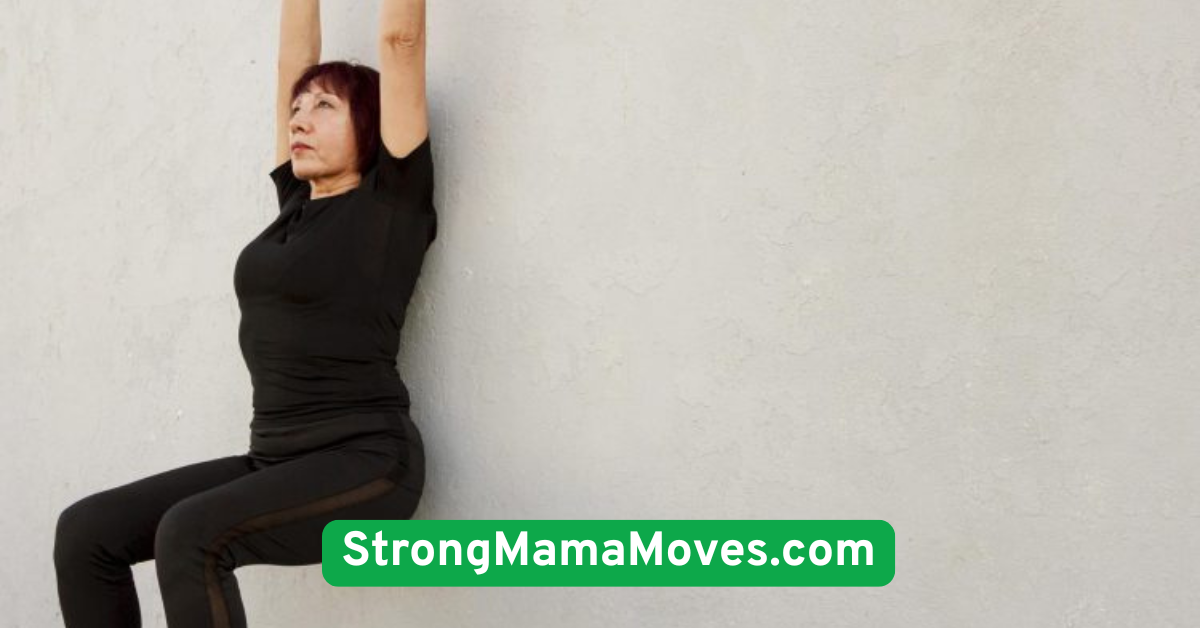
28. Leg Extensions
Sit on a chair and extend one leg at a time, squeezing the thigh at the top. This strengthens your quadriceps and supports better knee stability.It’s a great option for seniors or beginners, especially those easing into activity post-injury or surgery.

29. Glute Kickbacks
On all fours, extend one leg backward and squeeze your glute. This move strengthens the hips, glutes, and lower back without stressing your knees or spine.It’s low-impact but delivers powerful toning results. Add ankle weights for extra challenge if desired.
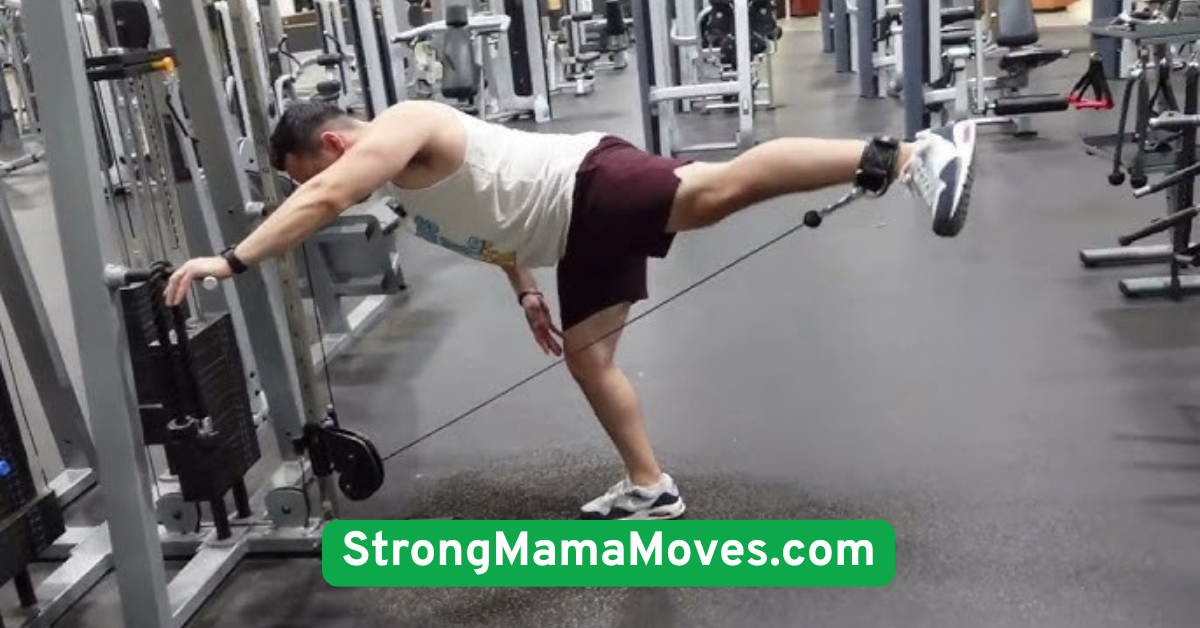
30. Supine Toe Taps
Lie on your back with legs bent at 90 degrees. Slowly lower one foot to tap the floor, then bring it back up. Alternate sides while keeping your core engaged.This low-impact core move targets your lower abs and improves pelvic stability. It’s often used in Pilates and rehab because it’s safe, precise, and effective.

Conclusion
Low-impact workouts aren’t just for beginners — they’re a smart, sustainable way to build strength, improve balance, and protect your joints at any age or fitness level. Whether you’re a busy parent, dealing with chronic pain, or simply looking to stay active without exhaustion, these 30 workouts prove you don’t need jumping or jarring movements to make a difference. Small, consistent steps are the key to long-term fitness. Choose a few moves that resonate with you, and build your way toward full-body strength — gently and confidently.